Upper Mustang Tour Package Image Gallery



| Package: | Upper Mustang Tour Package |
| Duration | 4 nights 5 days |
| Price | USD 200 per person |
| Transportation | Scorpio |
| Group Size | 2+ |
| Difficulty | Easy - Medium |
| Max Elevation | 3850 meters/ 12631 feet |
| Accommodation | Inclded |
| Meal | Included |
| Trip Start / Ends | Kathmandu / Kathmandu |
| Contact Detail (Viber/Whatsapp) | +9779843724104 |
| Trip Note: | Price offered is full inclusive and it is quoted in USD. Trip will only starts when you will arrive to Kathmandu International Airport. The given itinerary is just a standard itinerary and could be customized on request. |
Table of Content.
Unlock the Mystique of the Last Forbidden Kingdom with Our Upper Mustang Tour package – Where Adventure Meets Ancient Culture!
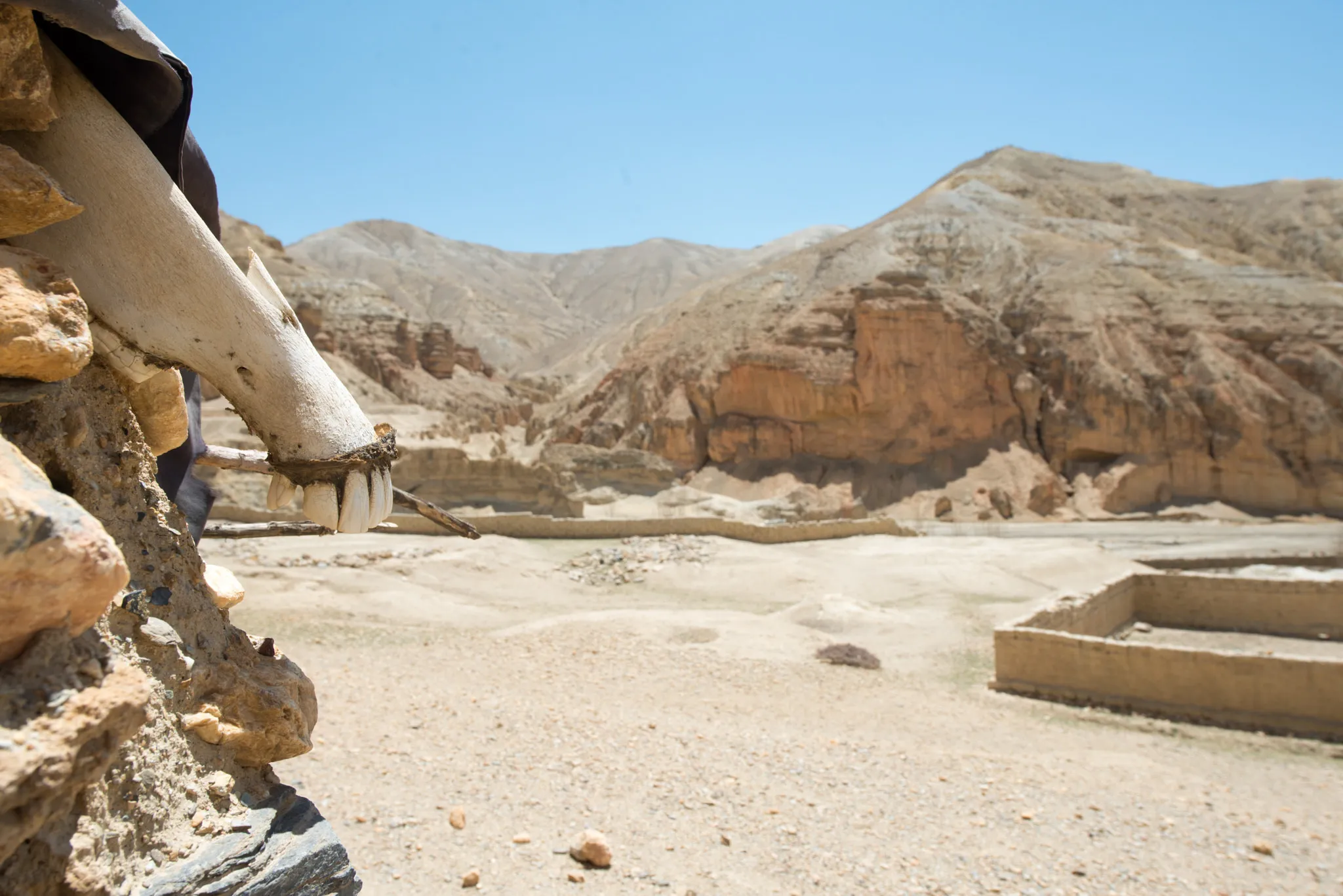
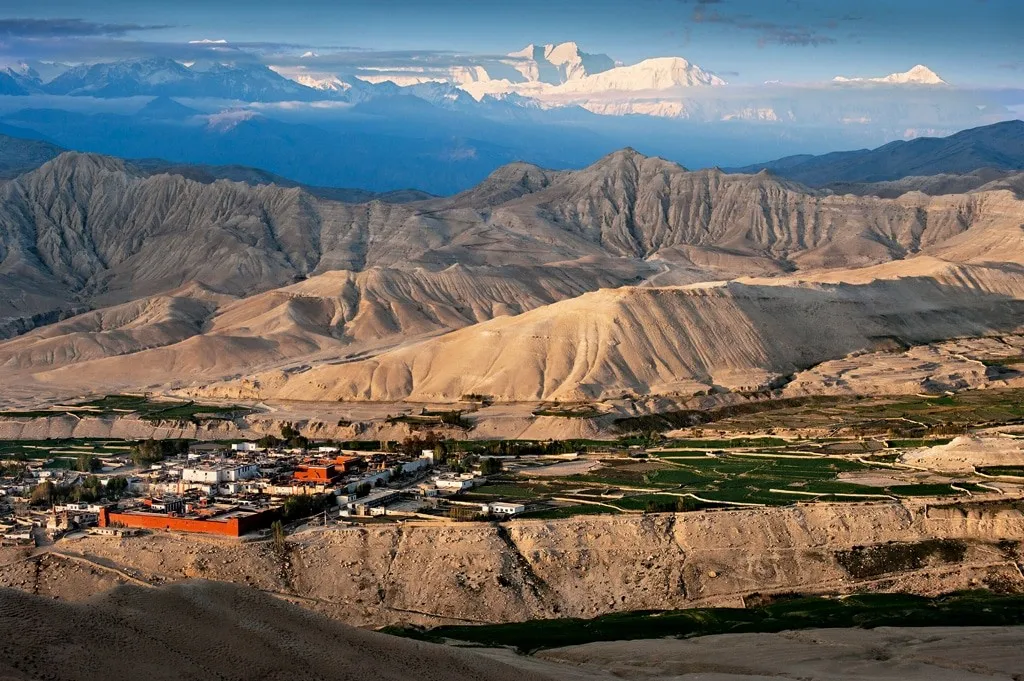
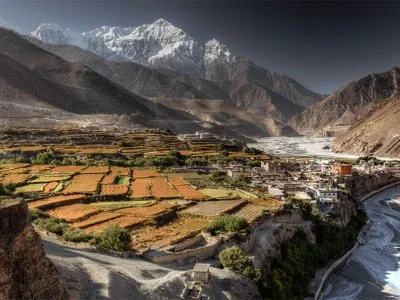
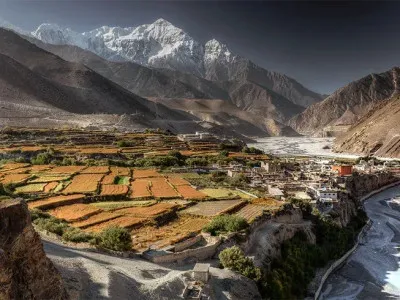
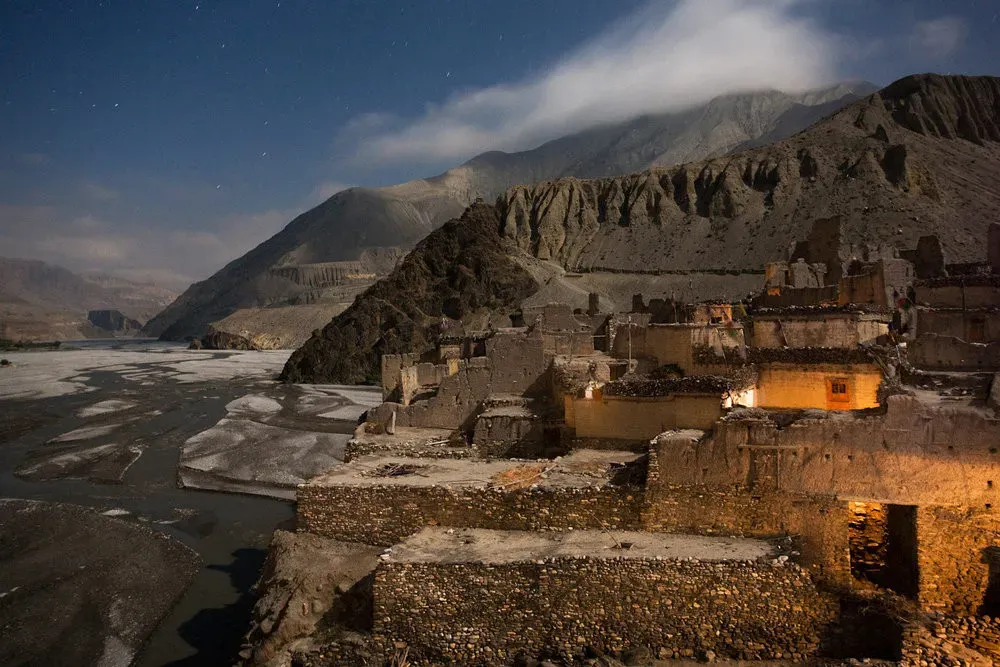
Upper Mustang, often referred to as the "Last Forbidden Kingdom," is a remote and mystical region in Nepal that offers an unparalleled travel experience. Nestled in the rain shadow of the Annapurna and Dhaulagiri mountain ranges, this hidden gem is characterized by its stark desert landscapes, ancient Tibetan Buddhist culture, and centuries-old monasteries. Travelers to Upper Mustang are transported back in time, as the region remained closed to outsiders until 1992, preserving its unique way of life and traditions. The dramatic cliffs, colorful rock formations, and the ancient walled city of Lo Manthang make Upper Mustang a truly unique destination that appeals to adventure seekers, cultural enthusiasts, and those looking to explore one of the last remaining vestiges of authentic Tibetan culture.
Upper Mustang is a remote region located in the northern part of Nepal, bordering Tibet (China). It lies within the Annapurna Conservation Area, the largest protected area in Nepal, and is situated at an average altitude of over 3,500 meters (11,500 feet) above sea level. The region is divided into two parts: Lower Mustang and Upper Mustang, with Upper Mustang being the more isolated and culturally distinct area. This region is characterized by its arid, desert-like terrain, which is a stark contrast to the lush, green landscapes typically associated with Nepal. The Kali Gandaki River, which flows through one of the deepest gorges in the world, runs along the eastern edge of Mustang, further defining its dramatic landscape. The capital of Upper Mustang is Lo Manthang, an ancient walled city that serves as the cultural and political center of the region.
Upper Mustang holds immense cultural and historical significance, often described as a living museum where ancient Tibetan Buddhist traditions have been preserved for centuries. The region was once part of the Kingdom of Lo, a separate principality that maintained its autonomy until the 18th century when it became a vassal state under the Kingdom of Nepal. Despite political changes, the cultural practices and religious beliefs of the people of Upper Mustang have remained largely unchanged. The region is home to numerous monasteries, chortens (Buddhist shrines), and ancient caves that have been used for meditation and as places of refuge for centuries. The Tibetan influence is evident in the architecture, language, and way of life, making Upper Mustang one of the best-preserved examples of traditional Tibetan culture outside of Tibet itself. The annual Tiji Festival, a three-day ritual known for its vibrant mask dances and religious significance, is one of the key cultural highlights of the region.
Despite its remote location, Upper Mustang is accessible through a combination of air and ground transportation, though reaching the region requires careful planning due to its geographical isolation and restricted status.
From Kathmandu: Travelers typically begin their journey in Kathmandu, the capital of Nepal. From Kathmandu, the most common route is to fly to Pokhara, which is the gateway to the Mustang region. The flight from Kathmandu to Pokhara takes approximately 25 minutes.
From Pokhara: From Pokhara, travelers can take a domestic flight to Jomsom, the administrative center of Lower Mustang. The flight to Jomsom, which takes about 20 minutes, is one of the most scenic in the world, offering breathtaking views of the Annapurna and Dhaulagiri ranges. Upon arrival in Jomsom, the journey to Upper Mustang continues by jeep or on foot. The road from Jomsom to Lo Manthang, the capital of Upper Mustang, is a rugged, off-road trail that takes several hours by jeep.
Alternative Route: For those with more time and a sense of adventure, trekking from Jomsom to Lo Manthang is also an option. The trek typically takes around 10 to 12 days, passing through various villages and offering a more intimate experience of the landscape and culture.
Permits and Restrictions: It’s important to note that Upper Mustang is a restricted area, and special permits are required to enter. These permits can be arranged through a registered trekking agency in Nepal. The restricted area permit for Upper Mustang is more expensive than typical trekking permits in Nepal, reflecting its unique status and the efforts to preserve its cultural heritage.
Upper Mustang is renowned for its otherworldly landscapes that are both stark and stunning. The region's vast, arid plains are punctuated by dramatic cliffs, deep gorges, and colorful rock formations that change hue with the shifting light. The Kali Gandaki Gorge, one of the deepest in the world, carves through the landscape, creating a natural divide between the Annapurna and Dhaulagiri mountain ranges. The high-altitude desert, with its palette of ochre, red, and brown, is a striking contrast to the snow-capped peaks that loom on the horizon. As you traverse through Upper Mustang, you'll encounter windswept plateaus, ancient caves carved into cliff faces, and breathtaking passes such as the Lo La Pass, which offers panoramic views of the entire region. The ethereal beauty of Upper Mustang is unlike any other in Nepal, making it a paradise for nature lovers and those seeking solitude in the high Himalayas.
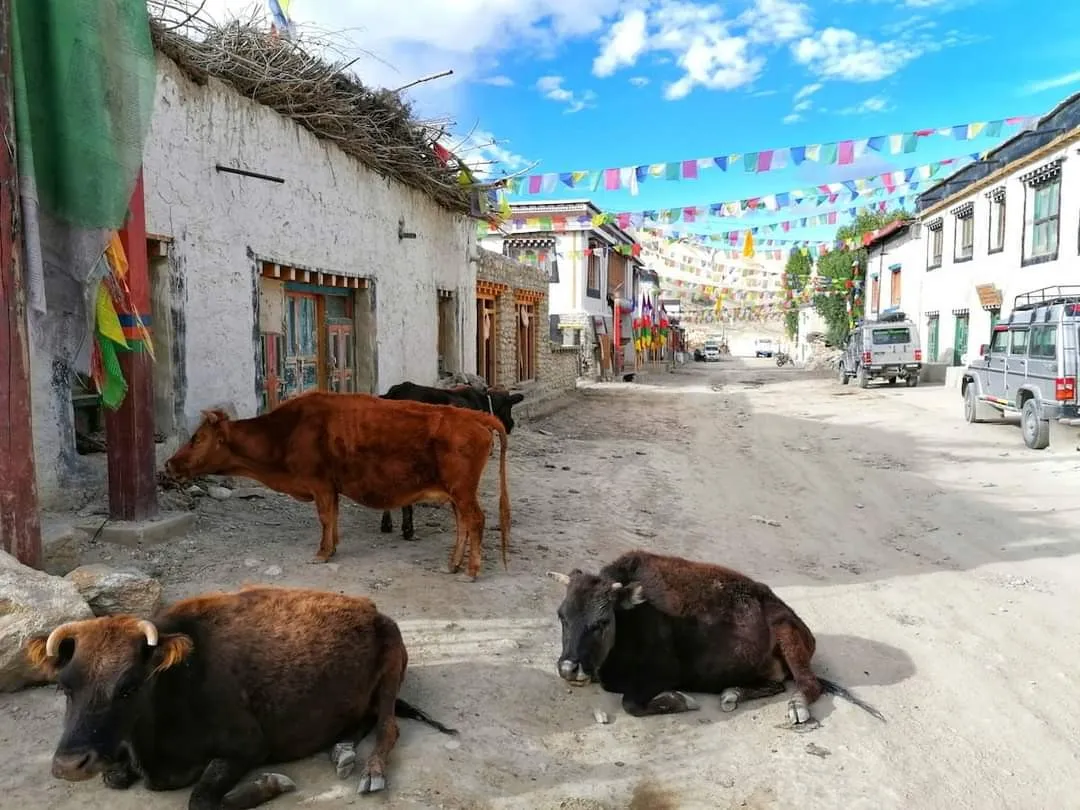
Upper Mustang offers travelers a rare opportunity to immerse themselves in a culture that has remained largely untouched by the modern world. The region’s Tibetan Buddhist heritage is evident in every aspect of daily life, from the prayer flags fluttering in the wind to the intricate designs of the houses and monasteries. One of the most significant cultural experiences in Upper Mustang is the annual Tiji Festival, a three-day celebration held in the walled city of Lo Manthang. This festival, which typically takes place in May, reenacts the myth of a deity who battles against evil forces to save the kingdom from destruction. The festival is marked by vibrant mask dances, elaborate costumes, and rituals performed by monks, drawing visitors from all over the world.
In addition to the Tiji Festival, travelers can experience the local lifestyle by visiting traditional villages where time seems to stand still. Here, you can observe age-old practices such as weaving, farming, and the preparation of local foods. The hospitality of the Mustang people is legendary, and many travelers find that the connection with the local community is one of the most memorable aspects of their trip.
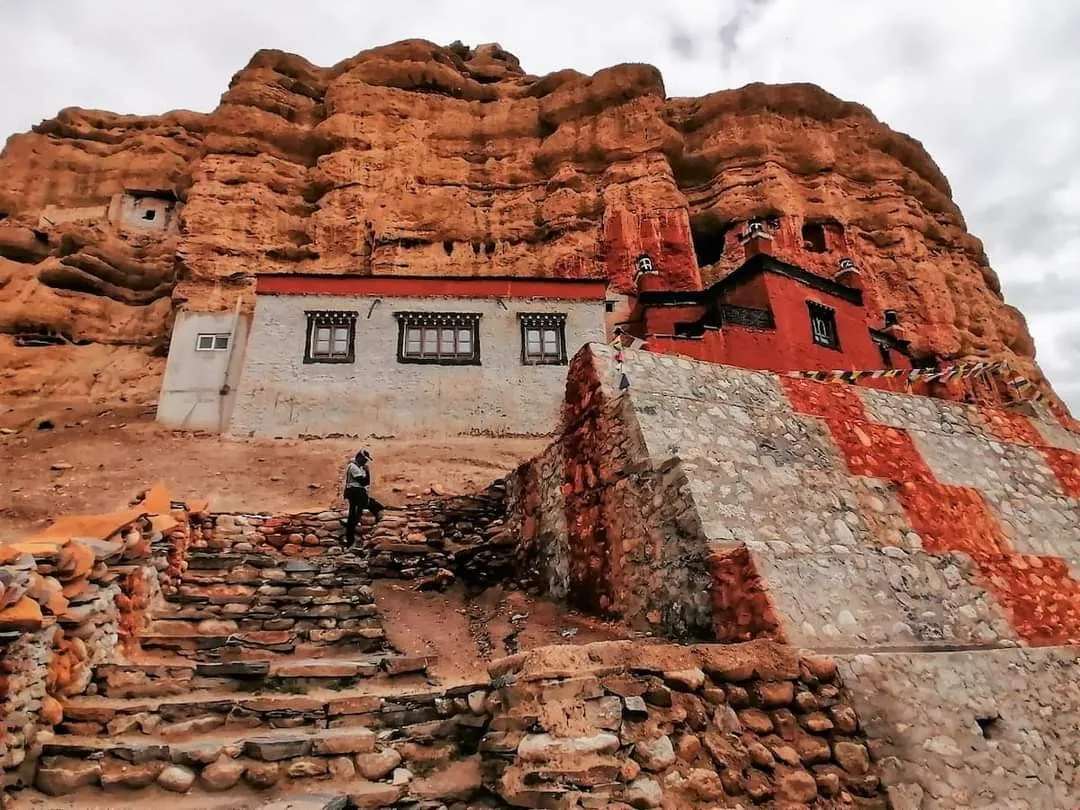
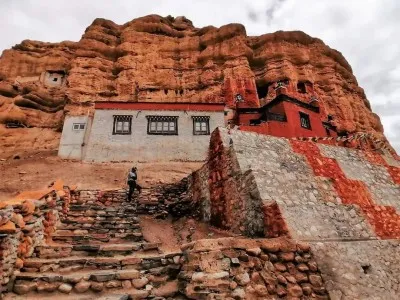
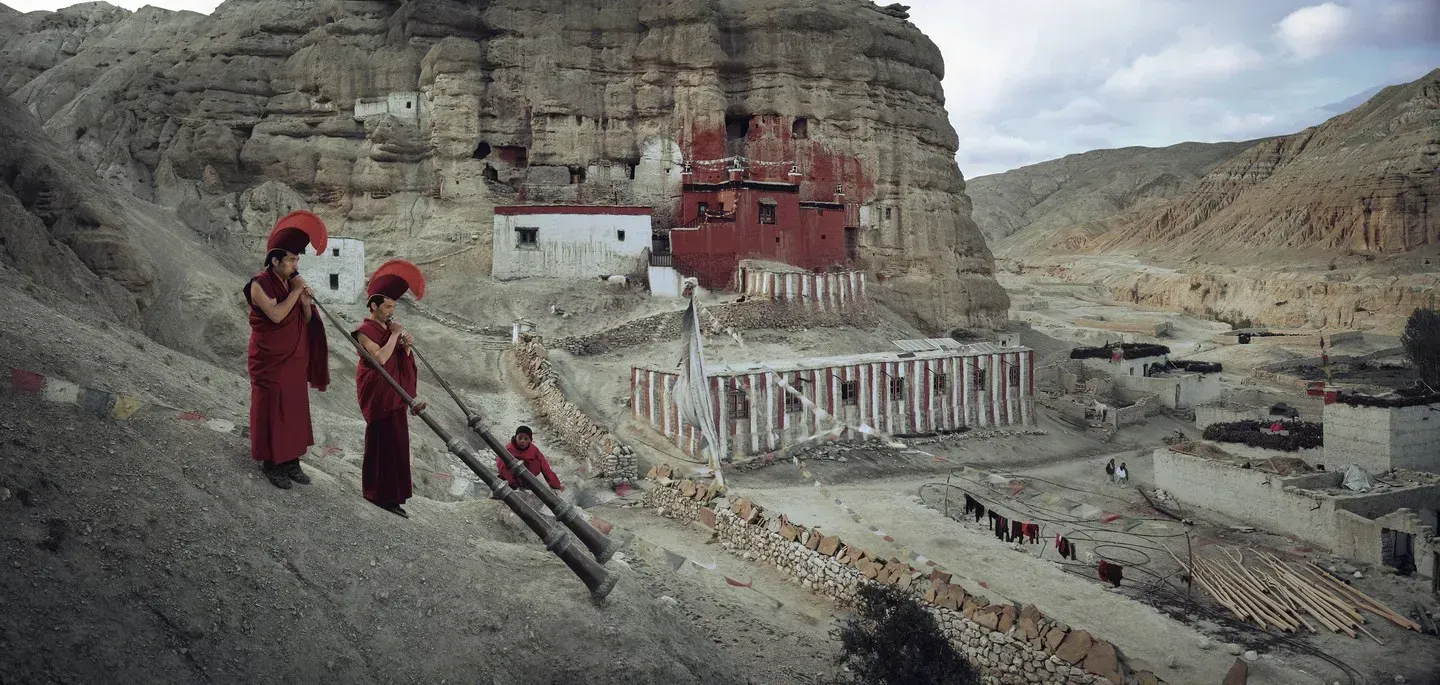
Upper Mustang is home to some of the oldest and most revered monasteries in the Himalayas, many of which date back over a thousand years. These monasteries, often perched on hilltops or tucked into cliffs, are repositories of ancient manuscripts, thangkas (Buddhist paintings), and statues that are of immense religious and historical significance. Among the most notable is the Thubchen Monastery in Lo Manthang, a 15th-century structure adorned with intricate murals depicting Buddhist deities and stories. Another highlight is the Chhoser Cave, a complex of over 40 man-made caves that served as meditation retreats and burial sites in ancient times. The mysterious caves, some of which are elaborately decorated, offer a glimpse into the spiritual practices of early Mustang inhabitants.
Exploring these monasteries and archaeological sites offers a profound insight into the spiritual life of the region, as well as the historical connections between Mustang and Tibet. The preservation of these sites, despite the harsh climate and isolation, is a testament to the enduring faith and resilience of the Mustang people.
For photographers and adventure enthusiasts, Upper Mustang is an absolute treasure trove. The region’s unique geography, with its stark desert landscapes, towering peaks, and deep gorges, provides endless opportunities for capturing stunning images. The light in Upper Mustang, particularly during sunrise and sunset, is magical, casting long shadows and highlighting the rich colors of the rocks and cliffs. Photographers will also find inspiration in the vibrant festivals, traditional attire, and the intricate details of the monasteries and local architecture.
Beyond photography, Upper Mustang offers a range of adventure activities that cater to different levels of experience. Trekking is the most popular way to explore the region, with routes that range from moderate to challenging. The trek from Jomsom to Lo Manthang is particularly rewarding, offering a mix of natural beauty, cultural encounters, and physical challenge. For those seeking more adrenaline, mountain biking is also an option, with rugged trails that wind through the region’s dramatic terrain. The challenging altitudes and remote settings make any adventure in Upper Mustang a truly rewarding experience, combining physical exertion with the spiritual and cultural richness of the region.
Mustang is a trekker’s paradise, offering a variety of trails that cater to different levels of experience and interest. The region’s unique landscape, coupled with its rich cultural heritage, makes trekking in Mustang a truly unforgettable experience.
Upper Mustang Trek: The most famous trek in the region, the Upper Mustang Trek, takes you deep into the heart of the former Kingdom of Lo. This trek typically starts in Jomsom and leads to the ancient walled city of Lo Manthang, passing through remote villages, ancient monasteries, and barren landscapes along the way. The trek usually takes 10 to 14 days, depending on the pace and specific route chosen. Highlights include traversing the Kali Gandaki Valley, crossing high-altitude passes, and experiencing the unique culture of the Mustang people.
Jomsom to Muktinath Trek: For those with less time or looking for a shorter trek, the Jomsom to Muktinath Trek is a popular choice. This trek takes about 5 to 7 days and offers a blend of natural beauty and spiritual exploration. Muktinath is a sacred pilgrimage site for both Hindus and Buddhists, known for its temple and the eternal flame that burns from natural gas.
Lower Mustang Trek: While Upper Mustang is the more famous destination, Lower Mustang also offers rewarding trekking experiences. The Lower Mustang Trek takes you through charming villages like Kagbeni and Marpha, known for their apple orchards and traditional Thakali culture. This trek is less strenuous and can be completed in about 7 to 10 days.
Lo Manthang: The ancient walled city of Lo Manthang is the crown jewel of Upper Mustang. Founded in 1380, Lo Manthang served as the capital of the Kingdom of Lo and remains a cultural and historical hub. The city is home to several important monasteries, including the Thubchen and Jampa monasteries, which are adorned with elaborate murals and statues. The Royal Palace, though now partially in ruins, is another significant site, reflecting the region’s rich history. Wandering through the narrow streets of Lo Manthang, visitors can feel the deep sense of history and tradition that permeates the city.
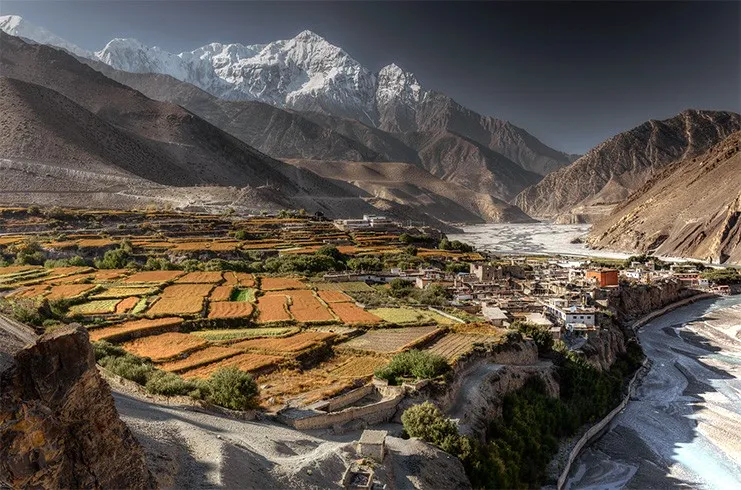
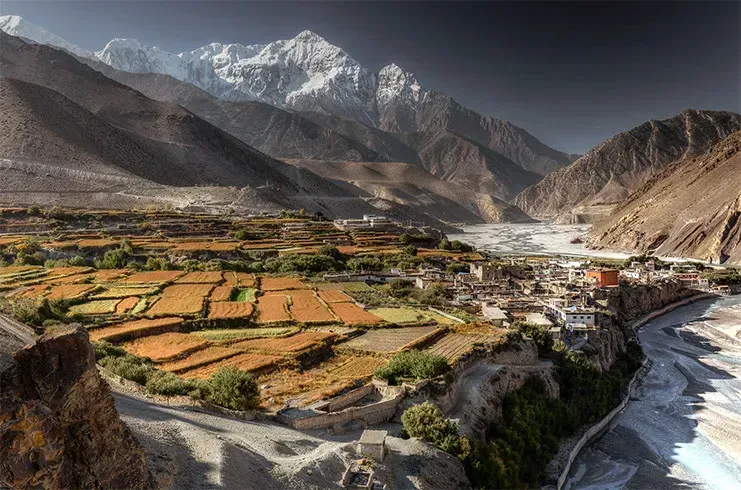
Kali Gandaki Valley: The Kali Gandaki Valley is one of the most striking natural features of the Mustang region. This valley, which runs between the Annapurna and Dhaulagiri mountain ranges, is home to the Kali Gandaki River, one of the holiest rivers in Nepal. The valley is famous for its breathtaking views, particularly from the village of Kagbeni, where the river’s wide, gravel-strewn banks contrast with the surrounding barren landscape. The valley is also rich in fossils, known locally as “Shaligrams,” which are considered sacred by Hindus.
Muktinath Temple: Located at the base of the Thorong La pass, Muktinath Temple is a significant pilgrimage site for both Hindus and Buddhists. The temple is famous for its 108 water spouts and the eternal flame that burns from natural gas. Pilgrims visit Muktinath to take a ritual bath in the sacred waters, which is believed to cleanse sins and bring salvation.
One of the most rewarding aspects of visiting Mustang is the opportunity to engage with the local communities and experience their unique way of life. The people of Mustang, known as Lobas, have preserved their Tibetan Buddhist culture for centuries, and visitors are often welcomed with warm hospitality.
Home Stays and Local Lodges: Staying in local lodges or participating in a homestay offers a more intimate experience of Mustang’s culture. Visitors can learn about traditional practices such as weaving, farming, and cooking, and gain insights into the daily lives of the Mustang people. Sharing meals with a local family, participating in their customs, and listening to their stories are experiences that leave a lasting impression.
Attending Local Festivals: Participating in local festivals is another way to immerse yourself in the culture of Mustang. The Tiji Festival in Lo Manthang is the most famous, but there are other smaller festivals throughout the year that offer a glimpse into the region’s religious and cultural practices. These festivals often feature traditional music, dance, and rituals that are deeply rooted in the region’s history.
Visiting Schools and Monasteries: Many travelers also choose to visit local schools and monasteries to learn more about the education and religious practices in Mustang. Some tour packages include opportunities to interact with monks and students, offering a deeper understanding of the region’s spiritual life.
For those looking to add a bit of adrenaline to their Mustang experience, the region offers several adventure sports and outdoor activities.
Mountain Biking: Mustang's rugged terrain and remote trails make it an ideal destination for mountain biking. The challenging routes, combined with the stunning scenery, offer an exhilarating experience. The ride from Lo Manthang to Jomsom is particularly popular among mountain bikers, with its mix of steep descents, technical sections, and breathtaking views.
Horseback Riding: Horseback riding is a traditional mode of transportation in Mustang, and many visitors choose to explore the region on horseback. This is a great way to experience the landscape at a slower pace while enjoying the unique perspective that comes from riding through these ancient trails. Horses can be rented in Lo Manthang and other villages, and guided tours are available.
Rock Climbing and Caving: The cliffs and caves of Mustang offer opportunities for rock climbing and caving. The Chhoser Cave in Lo Manthang is one of the most famous, with its network of ancient caves that have been used for meditation and as living quarters for centuries. Some caves are accessible only by climbing, adding an element of adventure to the exploration.
Photography Tours: Given the region’s dramatic landscapes, photography tours are also popular in Mustang. These tours are often led by professional photographers who can guide participants to the best spots for capturing the region’s unique beauty. Whether it’s the golden hues of the cliffs at sunset or the vibrant colors of the Tiji Festival, Mustang offers countless opportunities for stunning photographs.
Hiking Annapurna Tour and Travels Provides an Upper Mustang tour package from Pokhara in a comfortable way through a jeep.
Find the itinerary for the upper Mustang tour package from Pokhara.
To visit Upper Mustang, you must obtain specific permits due to its restricted status. Here are the keys required:
1. Annapurna Conservation Area Permit (ACAP): The ACAP is necessary as the Upper Mustang falls within the Annapurna Conservation Area. It can be obtained from the Nepal Tourism Board or authorized trekking agencies in Kathmandu or Pokhara.
2. Restricted Area Permit (RAP): The Restricted Area Permit is the primary permit required to enter Upper Mustang. It is issued by the Department of Immigration in Kathmandu. It would be best if a licensed trekking agency accompanied you to obtain this permit. The permit is valid for a limited time, usually for a fixed number of days.
It's important to note that the permit requirements and regulations may change, so it's advisable to check with the appropriate authorities or consult a reliable trekking agency for the most up-to-date information.
When visiting Upper Mustang, adhering to the rules and regulations is crucial to ensure a sustainable and respectful experience. Here are some essential guidelines:
1. Respect local customs and traditions: Upper Mustang has a rich cultural heritage deeply rooted in Tibetan Buddhism. It's necessary to respect local customs, rules, and religious practices. Dress modestly, seek permission before entering monasteries or sacred sites, and be mindful of local sensitivities.
2. Leave no trace: Upper Mustang is an environmentally sensitive area. Practice responsible tourism by carrying out all your waste, including non-biodegradable items. Minimize the use of plastic and dispose of waste properly. Leave the natural surroundings as you found them, respecting the fragile ecosystem.
3. Follow designated trails: Stick to designated trekking trails and avoid venturing into restricted areas or private property without permission. This helps preserve the natural environment and respects the local landowners' rights.
4. Support local economy: Contribute to the local economy by staying in local teahouses or guesthouses, purchasing locally made handicrafts, and supporting local businesses. This helps to sustain the livelihoods of the local communities and promotes responsible tourism practices.
5. Observe photography guidelines: Be mindful of the local people's privacy and cultural sensitivities when taking photographs. Seek permission before photographing individuals or religious ceremonies. Some sacred sites may restrict photography, so respect the rules and guidelines.
Respecting local culture and traditions is paramount when visiting the Upper Mustang. Here's why it matters:
1. Cultural preservation: By respecting local culture and traditions, you contribute to preserving the region's unique heritage. It helps maintain the authenticity of the cultural practices and ensures they are passed on to future generations.
2. Positive interactions: Respecting local customs fosters positive interactions between travelers and the local community. It creates a mutually beneficial and respectful relationship, allowing for meaningful cultural exchanges and learning experiences.
3. Sustainable tourism: Respecting local culture is crucial to sustainable tourism. It helps protect the cultural integrity of the region, promotes responsible tourism practices, and ensures the long-term viability of the destination.
4. Personal growth and understanding: By respecting local culture and traditions, you open yourself up to new experiences, perspectives, and a deeper understanding of the local way of life. It enriches your travel experience and broadens your cultural awareness.
Overall, respecting local culture and traditions is essential for maintaining the integrity of the destination, fostering positive connections, and creating a sustainable and enriching travel experience in Upper Mustang.
Price Starting From
USD 200pp
We do small group or private trip as your request.
For quick information contact us at WhatsApp/Viber +977-9843724104
This trip can get redesigned and redeveloped as per your taste, for more information please e-mail us at hikingannapurna@gmail.com
